introducing: therapy pods
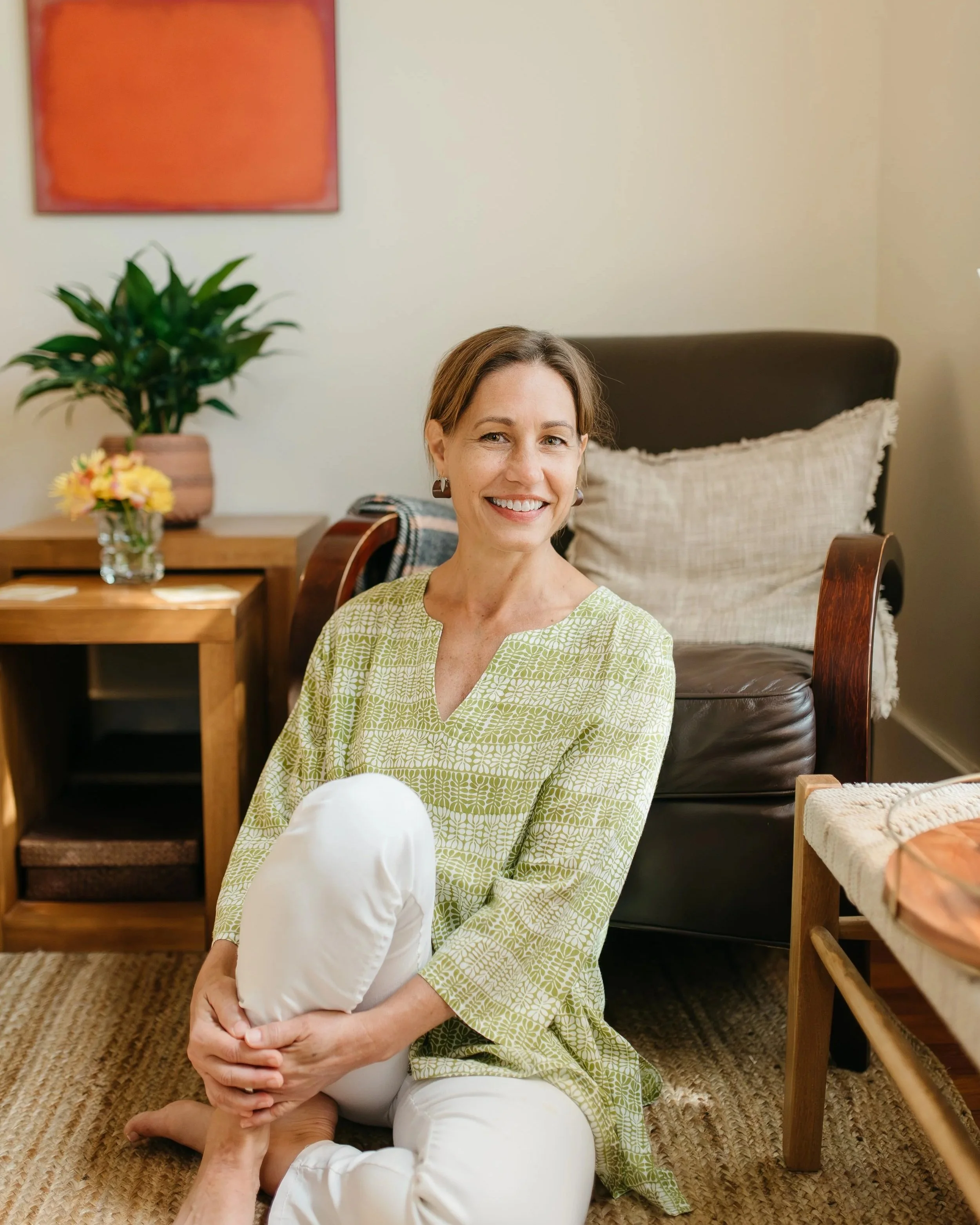
Austin trauma therapist Laurie Berson, specialist in breaking cycles of relational trauma in central ATX.

practicing presence together

Therapy Pods

stylized image of hearts on stalks, representing therapy pods

Therapy Pods are intimate, professionally guided “mini-groups” of two to four people, designed for those who want to move beyond individual processing and into the living laboratory of relating to self and others.

Why a Pod? Unlike large groups, a Pod offers a high-dosage of individual attention within a social context. It is the perfect "middle ground" to:

  • Practice Presence: Navigate the nervous system in real-time with others.

  • Expand Intimacy: Explore the bridge between self-expression and connection.

  • Deepen Agency: Move from protective survival styles to authentic relational capacity.

  • Duration: Ninety minutes of deep, guided intra- and interpersonal exploration.

  • Who: Bring your own “pod” (friends, co-workers, etc) or be matched with others looking for a similar pod.

therapy pods for therapists

heart garden representing the core of relational connection

A Specialized Resource for Therapists and Practitioners As clinicians, we know that the "Relational Field" is where the most profound shifts occur. While individual therapy provides a sanctuary for internal exploration, Therapy Pods (2–4 participants) offer a dynamic, real-time laboratory for integration.

By scaling down the traditional group model, we create a "micro-environment" that balances the intimacy of a 1:1 session with the transformative "charge" of a social system.

The Clinical Benefits of the "Micro" Scale

  • Optimized Relational "Dosage": In a standard group of 8–10, participants can often "hide" or become overwhelmed by the sheer volume of external data. In a Pod of 2–4, there is nowhere to hide, but there is also more "airtime" for each individual to process their somatic and emotional responses in the moment.

  • Real-Time Pattern Interruption: Using the NARM® (NeuroAffective Relational Model) framework, the Pod becomes a living map of survival styles. When a participant’s "pleasing" or "withdrawing" pattern is triggered by another member, we don't just talk about it—we work with the psychobiological patterns in real time.

  • Accelerated Capacity for Repair: Relational trauma is healed through the experience of successful repair. In a Pod, participants learn to navigate the challenging terrain of intra and interpersonal dynamics, conflict and varied perceptions with the support of a facilitator, building the neural pathways for intimacy that they can take back to their external lives.

“Whether you're facing a major life transition or just need a safe space to process and grow, laurie offers the gift of caring presence that makes all the difference.”


– Former Client